
Black Tea Guide: Types, Flavours and How to Brew
Black tea can be a brisk breakfast cup, a light floral brew or a smoky tea worth sipping slowly. The easiest way to find one you enjoy is to choose a flavour style first, then give the leaves the right amount of water and time. Here is a practical guide to the tea, the names on the packet and the first cup.
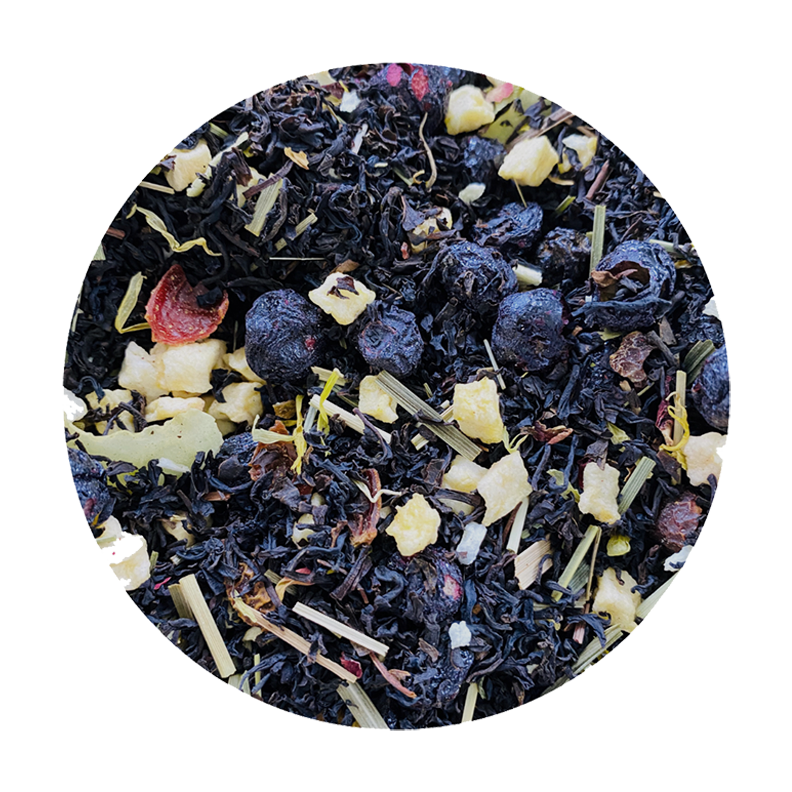
A simple first cup
For a typical loose-leaf black tea, start with about 2–3 g of leaves in 250 ml of water (roughly one US measuring cup). Use freshly heated water around 95–100°C / 203–212°F and taste after 3 minutes. Strain when it tastes right, usually within 3–5 minutes. The packet’s instructions take priority, especially for delicate teas and mixed blends. This is a starting point to adjust, rather than a rule for every black tea.
What makes black tea different?
Black, green, white and oolong teas come from Camellia sinensis. What happens to the harvested leaf creates the tea style. For black tea, the leaves are withered, rolled or cut, allowed to oxidise, then dried. Oxidation changes their colour, aroma and flavour; it is a reaction with oxygen, rather than the microbial fermentation used for some other tea styles. Great British Chefs explains the production stages.
Green tea is processed to limit oxidation. Herbal infusions use other plants or plant parts, such as flowers, roots or fruit. Those are different starting materials, not simply lighter versions of black tea. Our herbal tea and traditional tea comparison explains how to read a blend’s label.
Common black tea names and flavours
Some names identify a growing region; others describe a blend or added flavour. These broad pointers help narrow the choice, but harvest, processing and the individual producer still matter.
| Tea or style | What the name tells you | A useful flavour starting point |
|---|---|---|
| Assam | A region in India | Malty and full-bodied |
| Darjeeling | A region in India; season matters | Often lighter, floral or fruity |
| Ceylon | Tea from Sri Lanka | Often bright and brisk |
| English Breakfast | A blend, with recipes varying by maker | A rounded, sturdy everyday cup |
| Earl Grey | Usually black tea flavoured with bergamot | Citrus aroma over a tea base |
| Smoked Lapsang Souchong | A smoked style from China | Pronounced smoky character |
For more examples of the range, see Whittard’s guide to black tea. A flavour note is a description, not necessarily an added ingredient: a tea described as malty does not automatically contain malt.
Choose for the way you like to drink it
If you usually add milk, try a fuller-bodied Assam or breakfast blend first. If you prefer tea plain, a lighter Darjeeling or a bright Ceylon makes a useful comparison. For aroma, consider bergamot-flavoured Earl Grey; for a very different cup, choose an explicitly smoked tea. There is no requirement to like every style.
Buy a small amount while exploring. Compare two teas using the same mug and measured water, and note which one you would happily make again. A short description such as “bright, good plain” is more useful than trying to find the perfect tasting vocabulary.
How to brew loose-leaf black tea
- Check the packet for its recommended dose, temperature and time. Measure your mug’s capacity once so that “a cup” means the same amount each time.
- Put the measured leaves in a roomy infuser or teapot. A kitchen scale is more repeatable than a spoon because leaf shapes occupy different amounts of space.
- Pour the hot water over the leaves and set a timer. Let them infuse without packing them tightly into a tea ball.
- Taste at the recommended time, then remove the infuser or strain the whole pot. Leaves left sitting in the water continue to brew.
- Try a sip plain before adding milk, sugar or lemon. Change one variable for the next cup so you can tell what helped.
Smith Teamaker’s brewing guide distinguishes sachet and loose-leaf methods and explains why straining matters. For a stronger cup, try a little more leaf rather than repeatedly extending the steep. For a cold drink, follow our separate iced tea guide, which accounts for dilution from ice.
Loose leaf or tea bags?
Both can make a satisfying cup. Smaller leaf particles often infuse quickly; larger leaves need room to open. A bag’s convenience and a loose tea’s adjustable portion solve different problems. Look at the tea itself, the packing date or best-before guidance and the maker’s instructions instead of assuming that one format always wins.
Caffeine and keeping tea fresh
Black tea naturally contains caffeine. The amount in your cup varies with the leaf, dose and brewing method; its colour alone cannot tell you the caffeine content. Adding fruit or spices to a black tea base does not remove its caffeine. The UK Tea & Infusions Association’s tea FAQs provide background on the tea plant and caffeine.
Keep dry leaves sealed, away from moisture, strong smells and direct sunlight. Use a clean, dry spoon and close the packet after each use. If you decant tea into a tin, keep its name, ingredients and brewing instructions with it. Follow the packet’s storage and best-before advice.
Adjusting a cup that misses the mark
| What you notice | What to try next |
|---|---|
| Too bitter or drying | Shorten the steep; check the packet’s temperature. |
| Too weak | Use a little more leaf, or check that the mug is not much larger than the stated serving. |
| Good at first, harsh later | Remove all the leaves once brewing ends. |
| Unclear which change helped | Keep the water volume and dose steady, then adjust only one thing. |
For quick answers to everyday preparation questions, return to Tea FAQs and brewing. To see the named blends pictured on this website, explore the Grace & Gratitude tea collection.
For your next cup, explore the chai tea guide, choose a simple brewing setup with our loose-leaf tea equipment guide, or compare aroma and flavour with tea tasting for beginners.