
Chai Tea Guide: Spices, Brewing and Milk Choices
A satisfying cup of chai balances tea, spice and the milk or water around them. Start by checking what you have: a packet of spiced tea, plain black tea with separate spices, or a ready-made concentrate. Each needs a different approach. A long saucepan simmer is not automatically the right method for every product labelled chai.
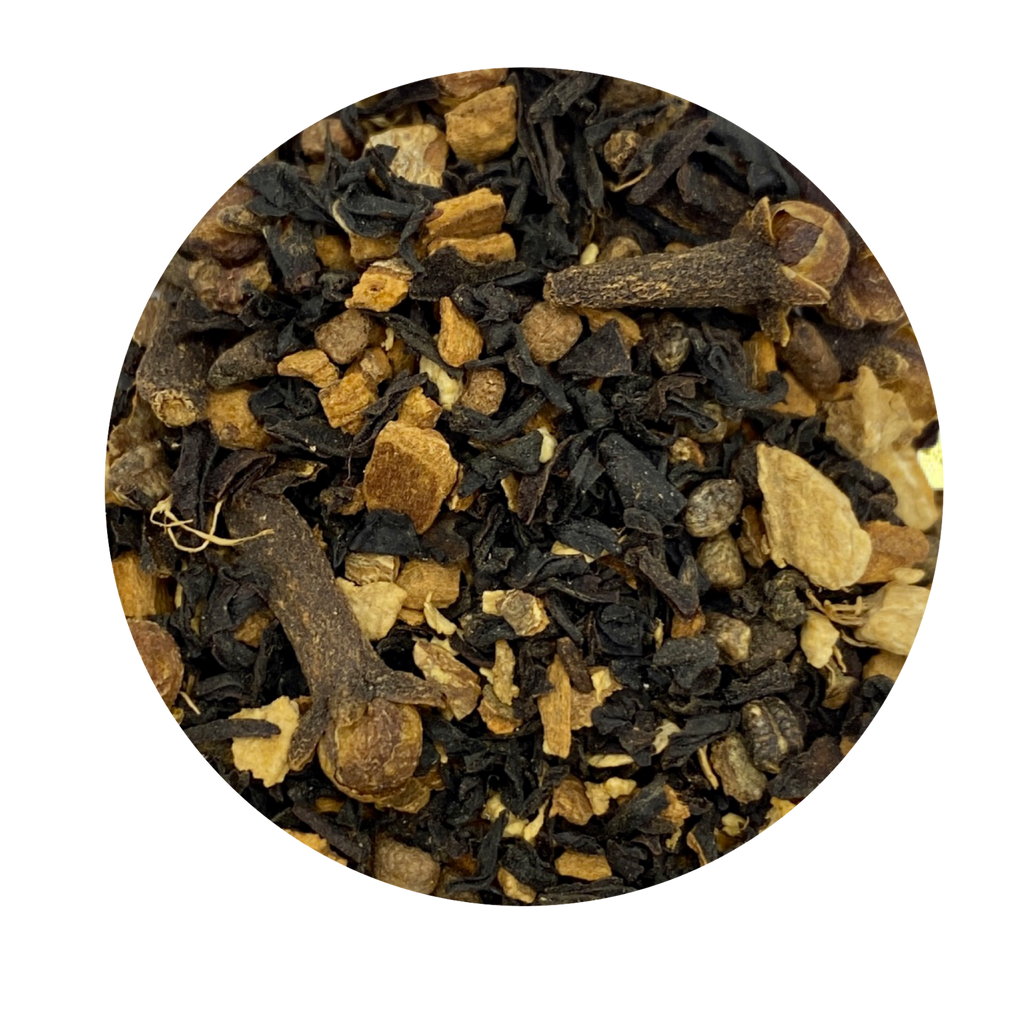
Chai, masala chai and chai latte
Chai means tea, while masala chai describes spiced tea. In everyday English, “chai” often means a spiced drink with milk. Recipes vary between households and regions, so there is no single spice checklist that every cup must follow. A chai latte usually puts more emphasis on milk and may begin with brewed tea, a concentrate or a powder. Twinings explains these different preparations.
| What you have | Where to start | What to check |
|---|---|---|
| A prepared chai tea blend | Brew the measured tea as its packet directs | Its tea base, spices and serving size |
| Plain tea and separate spices | Infuse the spices, then prepare the tea and add milk | Whether the tea is CTC granules or larger leaves |
| A concentrate or latte powder | Use the stated milk or water dilution | Sweeteners, milk ingredients and caffeine information |
Choose a tea base and a spice direction
A robust Assam or breakfast-style black tea is a practical choice when milk and spices will be prominent. Small CTC granules infuse differently from large leaves; neither the dose nor the cooking time should be assumed identical. Teabox’s guide to chai bases explains why strong Assam teas are commonly chosen. Our black tea guide compares the broader styles.
For a first experiment, choose a clear flavour direction rather than adding everything in the cupboard. Cardamom gives a fragrant starting point; ginger takes the cup towards a sharper, warming flavour. Cinnamon and a small amount of clove can add another layer. Keep a note of what you used before changing the next batch.
A black-tea-based chai contains caffeine. Milk and spices do not remove it. A rooibos-based spiced infusion or decaffeinated blend is a different product, so read its full label. Also check the ingredients of powders and concentrates rather than treating “chai” as a complete recipe or a promise about sweetness.
Brewing a packaged chai blend
Use the packet’s portion, water temperature and time first. For a conventional black-tea chai brewed in a mug, 3–5 minutes is a common starting range: Twinings lists that range for chai. Remove the tea before adding milk unless the maker specifically gives a milk-and-water method.
A prepared blend already has its own balance of tea and spices. Try it as supplied before adding a second masala mixture. Use an infuser with room for the leaves, and measure the mug rather than guessing its capacity. The loose-leaf equipment guide explains baskets, strainers and other simple tools.
A small whole-spice chai for two
This light-milk starting version uses plain black tea and separate spices. Measure 500 mL water (about 2 US cups), 60 mL milk (¼ US cup), 2 teaspoons Assam CTC tea, 2–3 lightly crushed cardamom pods, a 2.5 cm piece each of cinnamon and fresh ginger, and 2 cloves. Sugar is optional; begin with less and adjust in the cup.
- Bring the water and crushed spices to a boil in a saucepan; simmer for 2–3 minutes.
- Add the CTC tea and simmer for about 1 minute.
- Add milk and warm through for 2–3 minutes, watching the pan so it does not boil over.
- Strain into two cups and sweeten to taste. Final volume varies with evaporation.
This follows the approach in Dassana’s masala chai recipe. For larger loose leaves, take the spiced water off the heat, steep for 2–4 minutes and add separately warmed milk instead of treating the leaves like CTC granules.
Milk, sweetness and getting the balance right
There is room between a lightly milked tea and a rich latte. Try the first batch before deciding that it needs more milk, more tea or more sugar. Changing all three together makes it difficult to repeat the result you liked. If the tea disappears under the milk, adjust the tea portion or reduce the milk next time rather than extending every steep.
For a dairy-free cup, choose a plant drink you enjoy with tea and follow its heating instructions. Compare sweetened and unsweetened labels before adding sugar. Start by warming it separately and adding a small amount to a strained cup; this lets you judge flavour and texture without committing the whole saucepan.
Keep “strong” and “bitter” separate in your notes. Strong might mean a clear tea flavour through the milk or a pronounced spice aroma. Bitterness and a drying finish may mean the tea has extracted beyond your preference. Reduce the tea’s time first when the cup is harsh, and reduce the particular spice when that flavour is overwhelming.
Serving, tasting and leftovers
Let the drink reach a comfortable sipping temperature before comparing it. Ask what arrives first, whether you can still taste the tea, and what remains after swallowing. The beginner’s tasting guide gives a simple note-taking method. For the named blends pictured on this site, browse the tea collection.
Refrigerate unused milk-containing chai promptly in a clean covered container. Follow the FDA’s guidance for perishable foods: keep the refrigerator at or below 4°C/40°F and do not leave perishables out for more than two hours, or one hour above 32°C/90°F. For everyday leaf-storage questions, see Tea FAQs and brewing.